

Island-Inspired Clothing: Where Appreciation Ends
Last Updated: November 10, 2026
Quick Summary
Island inspired clothing is not automatically cultural appropriation. The answer depends on whether the piece credits its cultural origin, respects the meaning behind its motifs, and benefits the people it draws from. Pieces made or endorsed by people from that culture are generally viewed differently from unattributed mass-produced copies.
- Credit the culture of origin by name and buy from designers who share that heritage when possible.
- Avoid using sacred or ceremonial designs as trend pieces or costumes.
- Ask whether the brand names its designers and states where each garment is produced.
- Treat a vague "island-inspired" label with no provenance as a warning sign.
- Learn a pattern's origin before wearing it to formal or sacred events.
Table of Contents
- Cultural Appreciation vs. Appropriation in Island Fashion
- The History of Island Motifs in Modern Fashion
- Polynesian Patterns and Cultural Meaning
- Why Supply Chain Transparency Matters for Island Designs
- How to Wear Cultural Clothing Respectfully
- Supporting Indigenous Fashion Designers, and Your Next Purchase
- Frequently Asked Questions
Island-inspired clothing sits in a gray area. This question comes up often about island inspired clothing in general. The short answer: it depends on who makes the piece, who profits from it, and whether the design honors its roots or just borrows its look. Pattern alone rarely decides it.
Cultural appropriation is generally understood as taking elements of a culture, especially a marginalized one, without context, credit or respect. Clothing is one of the most visible places this happens. For more on how the debate has played out in the broader industry, see the Centre for International Governance Innovation paper on curbing cultural appropriation in fashion.
Cultural Appreciation vs. Appropriation in Island Fashion
Appreciation and appropriation often look identical from the outside. The difference lies in the relationship behind the garment. Appreciation credits its source, respects its meaning and, ideally, supports the people it came from.
Appropriation takes the look and leaves the people behind. Vogue has reported that designers are now looking for more thoughtful ways to draw on cultural inspiration, a shift that reflects how much this debate has changed (Vogue coverage of thoughtful cultural inspiration in fashion).
- Credit the culture of origin by name
- Buy from designers who share that heritage when possible
- Avoid sacred or ceremonial designs used as trend pieces
The History of Island Motifs in Modern Fashion
Island prints did not start in a designer's sketchbook. Many of the bold florals and tropical motifs now common in island inspired clothing grew out of mixed-culture island dress over the past century. That history matters because it shows how much cross-cultural exchange has always shaped these garments.
A Yiume FAQ notes that the Aloha shirt originated in the 1930s as a multicultural fusion, and that wearing it is generally not considered appropriation (Yiume FAQ on whether wearing a Hawaiian shirt is cultural appropriation). That is one source's view, not a universal rule, but it shows why context matters.
Polynesian Patterns and Cultural Meaning
Polynesian patterns are not just decoration. Many carry symbolic meaning tied to family, lineage, the ocean or a specific island community. A tattoo-style border or a traditional motif may signal rank or identity in its original setting.
Tatau and tattoo-derived motifs. The English word "tattoo" traces to the Samoan and Tongan term tatau, and the practice carries genealogical and status meaning across Polynesia. When a shirt or legging reproduces a tatau-style band, it is borrowing from a tradition where the marks are earned, often through ceremony and family permission.
Tapa (bark cloth) and siapo/ngatu patterns. Tapa cloth is made from beaten bark and decorated with geometric grids and repeating motifs across Samoa (siapo), Tonga (ngatu), Fiji (masi), and Hawaii (kapa). These patterns are often tied to lineage, marriage, and ceremonial exchange rather than being free-floating decoration.
Lavalava, pareo, and wrap garments. The lavalava (Samoa, Tonga) and pareo (Tahiti) are everyday and ceremonial wrap garments, not costumes. Wearing one as a beach cover-up is common and generally unremarkable; wearing a ceremonial variant to a party or as a novelty is where the line moves.
Lei and floral motifs. The lei is a greeting and honor object in Hawaii and across Polynesia, with specific protocols around gifting and removal. A floral print inspired by lei flowers is low-risk; a plastic lei sold as a party prop is a different category, because it strips the object of its social function.
Micronesian and Melanesian patterns. These are the most under-covered in the discourse. Micronesian weaving traditions (for example, Marshallese jaki-ed mats) and Melanesian design work in Papua New Guinea and the Solomon Islands carry community-specific meaning that is rarely credited in fashion. A brand that lumps all of this under "island print" is flattening dozens of distinct traditions into one aesthetic.
How to read a pattern before you buy. Ask three questions: Does the brand name the specific tradition (tapa, tatau, lavalava) or just say "island-inspired"? Is the motif geometric and widely shared, or does it look like a specific ceremonial or family design? Does the product page credit a designer or community connected to that tradition? A pattern that survives all three questions is usually safe to wear; one that fails all three is usually extraction dressed as resort wear.
Watch out: A "Polynesian-inspired" label that covers Samoan, Tongan, Hawaiian, and Maori motifs at once is almost always a sign the brand has not done the cultural homework, because those traditions are distinct and often have different protocols. For a practical guide to choosing pieces thoughtfully, see how to choose Polynesian clothing for mixed heritage families.
The article distinguishes several Pacific garment and motif traditions, each with its own meaning and appropriate context.
| Tradition | Origin | Meaning or context |
|---|---|---|
| Tatau / tattoo motifs | Samoa, Tonga | Genealogical and status meaning, earned through ceremony |
| Tapa (siapo, ngatu, masi, kapa) | Samoa, Tonga, Fiji, Hawaii | Tied to lineage, marriage and ceremonial exchange |
| Lavalava / pareo | Samoa, Tonga, Tahiti | Everyday and ceremonial wrap garments |
| Lei and floral motifs | Hawaii, Polynesia | Greeting and honor object with gifting protocols |
| Micronesian and Melanesian patterns | Marshall Islands, Papua New Guinea, Solomon Islands | Community-specific meaning, rarely credited in fashion |
Why Supply Chain Transparency Matters for Island Designs
Transparency is the clearest test of whether a brand respects island culture. Ask where a garment is designed, who sewed it and who gets paid. A design inspired by Pacific Islander culture but made far away with no local involvement raises real questions.
Scholarship on the fashion industry has documented repeated accusations of cultural appropriation over the past decade, and the lack of clear provenance is often at the center of them (CIGI analysis of cultural appropriation accusations in fashion).
Watch out: Vague claims like "island-inspired" with no designer or production detail should prompt questions before you buy.
How to Wear Cultural Clothing Respectfully
Respect shows in how you wear a garment as much as in what you buy. Wear pieces with the context you understand, and be honest about what you do not know.
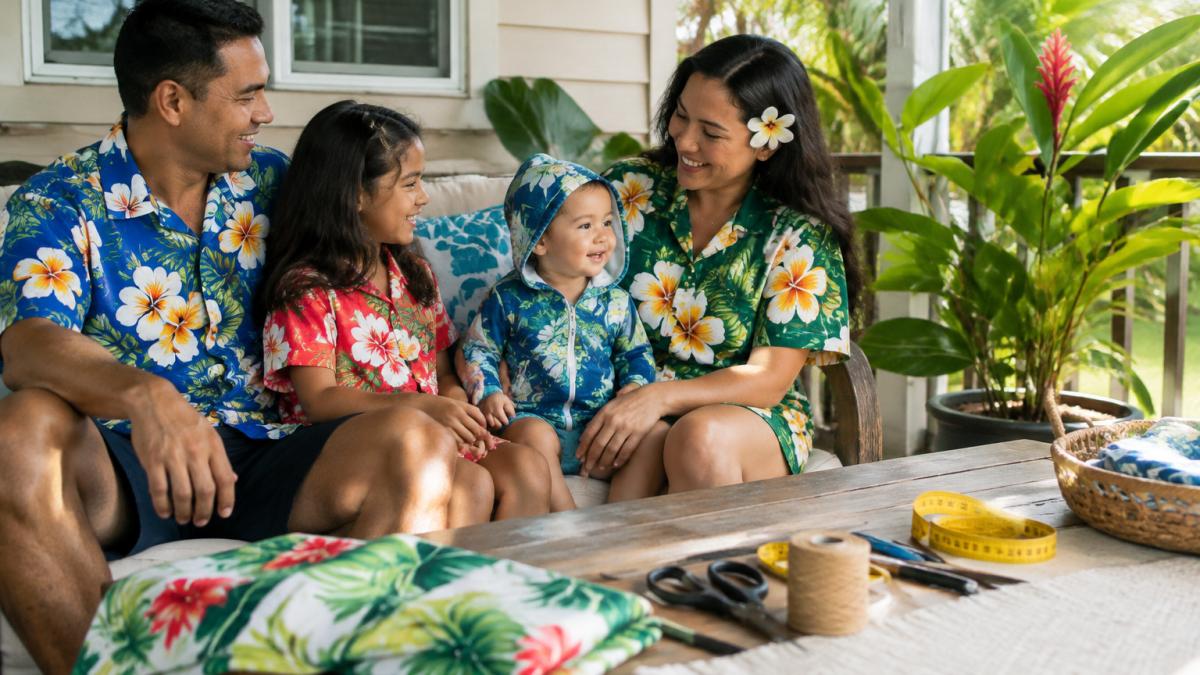
Match the garment to the setting. An everyday aloha shirt at a backyard barbecue is a different act from a ceremonial-style wrap at a wedding or a religious event. The rule of thumb most practitioners use: the more ceremonial the original garment, the more careful the setting needs to be.
Know what you are wearing before someone asks. If a stranger compliments your shirt, you should be able to say what tradition the pattern comes from and who made it. If you cannot, that is a signal you bought the look without the context. Learning one sentence about the motif is the minimum bar.
Credit out loud, not just on the tag. When people ask about an island-inspired piece, name the culture and, when you can, the designer or community. Crediting the source in conversation is how appreciation stays visible rather than getting absorbed into a generic "tropical" aesthetic.
Do not treat island dress as a costume. Halloween, bachelor/bachelorette parties, and "tiki" theme nights are where respectful wearing most often breaks down, because the garment is being used as a prop rather than worn as clothing.
Handle mixed heritage honestly. If your family is mixed heritage, you can still connect to island culture thoughtfully. Shopping with intention and crediting the source goes a long way, and you do not need to over-explain your ancestry to do it.
Buy in a way that sends money back. Respectful wearing is partly a purchasing decision. When you can, buy from designers who share the heritage, or from brands that name their makers and pay them fairly.
A quick scenario test. Before you wear a piece to an event, run it through three questions: Is this garment everyday or ceremonial in its origin? Would a person from that culture recognize the setting as appropriate? Am I prepared to name the tradition if asked? If any answer is no, pick a different piece.
- Learn the story behind a design before you wear it
- Share the origin when people ask about your shirt
- Avoid wearing ceremonial or sacred designs to casual events
- Support creators from the culture when you can
- Keep costume contexts (Halloween, theme parties) separate from everyday wear
Watch out: A brand that markets the same garment as both "everyday resort wear" and a "tiki party costume" is telling you it does not distinguish between clothing and costume, which is the exact distinction respectful wearing depends on.
Supporting Indigenous Fashion Designers, and Your Next Purchase
Indigenous designers carry the strongest cultural authority over their own motifs. When you buy from them, you support their livelihoods and their right to tell their own stories. Compare brands on provenance, not just price or appearance. Our shop island-inspired clothing picks show how collections can stay true to their roots, and our guide to how to compare Polynesian clothing brands fairly walks through what to check.
Looking for artisan-made pieces? Our explanation of why artisan-made clothing costs more covers how careful production affects price.
Checklist before you buy:
- Can you name the designer or the producing community?
- Is the production location stated clearly?
- Does the brand credit the cultural origin of its motifs?
- Are sacred or ceremonial designs handled with care?
Island-inspired clothing is not automatically appropriation. It becomes appropriation when culture is taken without credit, respect or benefit to its people. Shop with curiosity, ask good questions and let the people behind the designs guide you.
Frequently Asked Questions
Is wearing island-inspired clothing cultural appropriation? Not always. Context, credit and whether the people of that culture benefit decide the answer. Clothing made or endorsed by people from the culture is generally viewed differently from mass-produced copies.
How can I tell if a brand respects island culture? Look for named designers, clear production details, and credit for the motifs used. Vague "inspired by" claims with no provenance are a warning sign.
Are all Polynesian patterns off limits? No. Some designs are widely shared, while others carry family or ceremonial meaning. Learn the origin before wearing a pattern in a formal or sacred setting.
Frequently Asked Questions
Is wearing island-inspired clothing cultural appropriation?
It depends on how the piece was made, who profits, and how it is worn. Island-inspired clothing that is designed with respect, credits its cultural roots, and is worn with awareness of its meaning is generally seen as appreciation rather than appropriation. Problems usually arise when sacred motifs are copied for mass production by companies that give nothing back to the communities the designs come from. Checking who designed the piece and what story the brand tells about its origins is a practical first step.
What is the difference between cultural appreciation and cultural appropriation in fashion?
Cultural appreciation involves engaging with a culture's art, clothing, or traditions with curiosity, credit, and respect, often in collaboration with people from that culture. Cultural appropriation takes elements of a culture, especially sacred or symbolic ones, and uses them for profit or style without understanding, permission, or acknowledgment. The key differences are attribution, meaning, and who benefits from the sale.
How can you tell if island-inspired clothing is culturally appropriative?
Look for whether the brand names the cultural origin of its designs, explains what the motifs mean, and says who created them. Be cautious of generic 'tribal' or 'tropical' prints with no sourcing information, sacred symbols used as decoration, and brands that offer no detail about their manufacturing. Transparent brands usually share information about their designers, production, and the meaning behind their patterns.
Is it okay to wear traditional Polynesian patterns?
Many people of Polynesian descent wear traditional patterns as part of their everyday identity, and visitors can wear island-inspired pieces when they do so respectfully. Wearing a garment with a sacred or family-specific design is different from wearing a general island-style print. Learning what a pattern represents and choosing pieces that honor its origin helps you wear them with care.
